
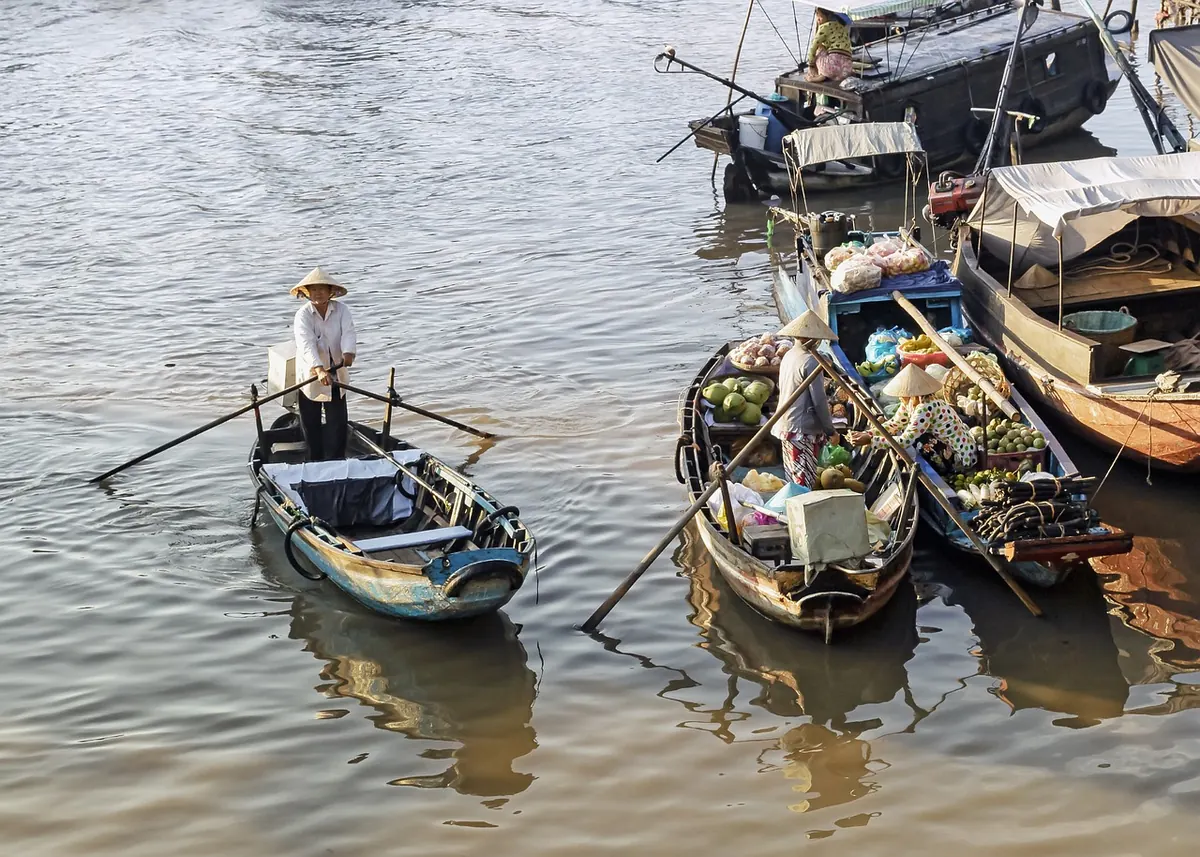


A farmers market is one of the easiest places to practice photojournalism, and one of the hardest places to do it well. Everything you need is already there: people with a reason to be somewhere, hands in the middle of work, small exchanges that last two seconds. That abundance is exactly what makes most market photos forgettable. A tray of tomatoes is not a story. The person who grew them, the regular who buys them every Saturday, the chalk sign with the price crossed out and rewritten twice — that is.
You can shoot all of it in a single morning, with one camera and some patience. Here's a working method for turning a weekly market into a set of images that reads like a small documentary.
Scout the Market Before You Shoot
Show up early. Not just for parking. The first hour is when the light is soft and angled, when vendors are still setting up, and when you can walk the aisles without standing in anyone's way.
Do one lap with the camera down. Note where open shade falls under the tents and which stalls face east into clean side light. Watch where the aisle narrows and the crowd bunches up, because that's where the best interaction happens and the worst place to plant your feet. Look at faces, too. Some vendors are talkers who will give you three good frames in a minute; others are working and want to be left alone. Knowing which is which is both good manners and good photography.
A market morning, in order
- Arrive at opening. Shoot setup: crates off the truck, a sign being hung, a tablecloth being straightened.
- Wide establishing frames of the aisle while it's still empty enough to see the whole thing.
- Vendor portraits while they have a spare moment, before the line forms.
- Hands and details as the first customers arrive.
- Peak-hour interaction, when the aisles fill and gestures get bigger.
- The wind-down: half-empty tables, vendors eating lunch, the last small talk of the day.
Make Vendor Portraits That Show Their Work
Ask first, briefly and warmly, without a speech. "I'm photographing the market today — may I take your picture at your stall?" Almost everyone says yes. The ones who say no deserve a smile and a step back.
Then break the headshot habit. A farmer against a white tent is a mugshot. Step back and include the stall: the table, the scale, the chalkboard, the way they stand with one hand resting on a crate. Shoot the wider frame first, then move in. If they're behind a table, crouch to their eye level instead of shooting down at them.
What makes these portraits live is conversation. Ask what came in that morning, how the season has gone, what anyone is supposed to do with the strange-looking squash. Ask, then keep shooting while they answer. The moment someone stops performing for the camera is the moment the picture starts.
Collect the Details Nobody Stops to See
Details are the connective tissue of a photo story. They carry texture, scale and the feeling of time passing. Almost none of them need permission, and all of them reward getting close.
- Chalk prices, handwritten signs, taped-up notes, a price crossed out and changed
- A scale mid-weigh, baskets and bags waiting their turn
- Hands: dirt under the nails, a knife worn smooth, coins passed over
- Crates and boxes with the farm's stamp or marker on the side
- Produce at its most specific — water still beaded on the greens, a bruised peach in the seconds pile
- The apron pocket, the cash box, a phone propped against a jam jar
- A dog tied to a table leg, a stroller parked at the edge of the aisle
Shoot each detail twice: once tight enough to fill the frame, once with enough of the stall around it that the picture still means something on its own.
Anticipate Candid Moments Instead of Chasing Them
Candid work here isn't about sneaking. It's about choosing a spot where something is likely to happen, then waiting longer than feels comfortable.
Find a stall with two or three possible stories and stand at the edge of the aisle. Then watch for hands: a bag passed across the table, a sample handed to a kid, bills folded into an apron, two neighbors who haven't seen each other since last week. Faces matter, but hands and posture carry most of the meaning.
Get close with a wide lens rather than hanging back with a long one. At 28mm or 35mm you're part of the scene, and the frames have depth — crates in the foreground, people in the middle, tents and sky behind. Shooting from ten meters away flattens everything and makes you look like a stranger with a camera.
Two or three frames per moment is plenty. If you machine-gun every interaction, you'll spend the afternoon deleting and miss the next one.
Work Light, Work Quiet, Stay Welcome
Your kit should be small enough to forget about: one body, a 35mm or 50mm prime, or a standard zoom if you'd rather not move your feet. Spare battery, a cloth for wiping fruit juice off the front element. No tripod, no flash. Flash under a market tent is ugly, and it announces you as news media. Available light is the whole point.
A few habits that keep you invited back:
- Keep the aisle clear. Step into a stall's shadow rather than standing in the middle of the walkway.
- Ask before photographing children, and accept a no the first time.
- Don't shoot a transaction from six inches away. It's a private moment between two people.
- If someone asks what the photos are for, say plainly, and offer to send or print a copy.
Shoot the Same Market Every Week
The real advantage of a local market is that it repeats. Go back. Learn names. Photograph the same vendors across a season and you'll end up with something better than a folder of pretty produce: a record of a place, built from small moments most people walk past. Bring one keeper print back the following Saturday, hand it over, and start again from there.
Photo: vietnguyenbui / Pixabay
Related posts
More stories you’ll love reading